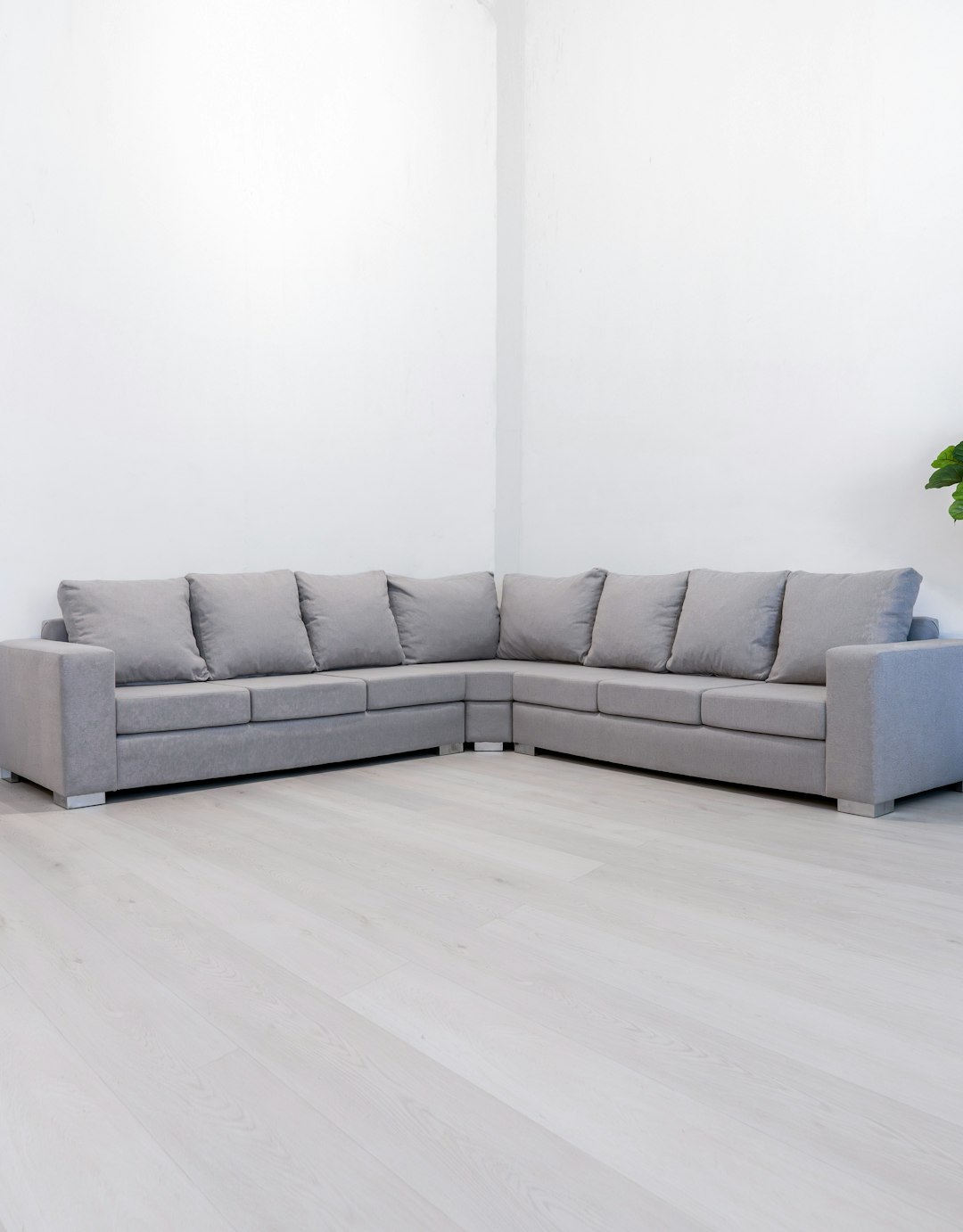
Living in a small space doesn't mean sacrificing comfort or style. In fact, with thoughtful planning and smart design choices, compact homes can feel more cozy and inviting than their larger counterparts. The key lies in understanding how to maximize every square foot while creating a sense of openness and tranquility. Whether you're furnishing a studio apartment, a compact flat, or simply working with a smaller room, these strategies will help you create a space that feels both spacious and wonderfully comfortable.
The Small Space Mindset
Before diving into specific strategies, it's important to shift your perspective. Small spaces aren't limitations—they're opportunities for creativity and intentional living. When you have less space, every choice matters more, which often leads to more thoughtful, curated interiors that truly reflect your style and needs.
The Benefits of Compact Living
- Lower costs: Less furniture to buy, lower heating bills, reduced maintenance
- Easier to clean: Less square footage means less time spent on upkeep
- Forces intentionality: Every item must earn its place
- Inherently cozy: Smaller spaces naturally feel more intimate and warm
- Environmental benefits: Smaller footprint, less energy consumption
Essential Principles for Small Space Design
1. Embrace Multi-Functionality
In small spaces, furniture must work harder. Multi-functional pieces are your best friends:
- Sofa beds: Guest room functionality without dedicating space
- Ottoman with storage: Seating, footrest, and hidden storage in one
- Drop-leaf tables: Expand when needed, fold down when not
- Bed with drawers: Maximize under-bed space for clothing or linens
- Nesting tables: Multiple surfaces that tuck away neatly
- Wall-mounted desk: Workspace that folds up completely
Game Changer
Invest in one quality multi-functional piece rather than several single-purpose items. A well-designed sofa bed with storage underneath can replace a regular sofa, guest bed, and storage unit—freeing up significant space while actually improving functionality.
2. Think Vertical
When floor space is limited, look up! Vertical storage and design maximize space without cluttering your room:
- Floor-to-ceiling shelving: Uses wall space efficiently
- Wall-mounted storage: Keeps floors clear and creates visual space
- Tall, narrow furniture: Footprint efficiency with maximum storage
- Hanging organizers: Behind doors and on walls
- High-mounted curtain rods: Makes ceilings appear higher
3. Create Zones
Even in small spaces, defining different areas helps rooms feel organized and purposeful:
- Area rugs: Visually separate spaces (living area, dining area)
- Furniture placement: Use a sofa back to divide a room
- Lighting: Different fixtures for different zones
- Bookshelf dividers: Storage that also defines space
- Color changes: Subtle wall color variations
Color and Light: Your Space-Expanding Allies
The Power of Light Colors
Light colors reflect light and create an airy, open feeling. For small spaces, consider:
- White or off-white walls: The classic space expander
- Soft pastels: Add color while maintaining brightness
- Warm neutrals: Cream, beige, and light gray feel spacious yet cozy
- Monochromatic schemes: Similar tones throughout create flow
Strategic Use of Dark Colors
Don't avoid dark colors entirely! Used wisely, they add depth:
- One accent wall in a deep color can actually make a room feel larger
- Dark furniture against light walls creates beautiful contrast
- Deep colors work well in smaller doses (pillows, artwork, accessories)
Maximize Natural Light
- Keep windows unobstructed or use sheer curtains
- Place mirrors opposite windows to bounce light
- Choose furniture that doesn't block light paths
- Keep window sills clear
- Use light-colored window treatments
Layer Artificial Lighting
Good lighting makes small spaces feel larger and more welcoming:
- Ambient lighting: Overall room illumination (ceiling lights)
- Task lighting: Focused light for specific activities (reading lamps)
- Accent lighting: Highlights features (wall sconces, picture lights)
- Uplighting: Makes ceilings appear higher
Lighting Trick
Replace one overhead light with multiple smaller light sources around the room. This creates depth and makes the space feel larger because your eye travels to different points rather than focusing on one central fixture.
Smart Furniture Choices
Scale Matters
Choose furniture proportional to your space:
- Smaller-scale pieces: Don't overwhelm the room
- Streamlined designs: Avoid bulky, overstuffed furniture
- Raised legs: Create visual space underneath
- Glass or lucite: Transparent furniture seems to take up less space
- Armless options: Chairs and sofas without arms feel less bulky
The Floating Effect
Furniture with exposed legs creates a sense of spaciousness:
- Sofas and chairs with visible legs vs. skirted pieces
- Open-frame beds rather than platform beds
- Cabinets and dressers on legs
- Wall-mounted TV stands and shelving
Strategic Furniture Placement
- Float furniture away from walls to create depth
- Angle pieces occasionally for visual interest
- Maintain traffic flow with minimum 24-30 inches of clearance
- Place largest pieces first, then build around them
- Avoid blocking windows or doorways
Storage Solutions That Don't Sacrifice Style
Hidden Storage Everywhere
The best storage is invisible:
- Under-bed storage: Containers or built-in drawers
- Ottoman storage: Hides blankets, books, or toys
- Hollow furniture: Storage benches, lift-top coffee tables
- Behind-door organizers: Shoes, accessories, cleaning supplies
- Inside furniture: Hollowed-out side tables with storage
Open Storage Done Right
When storage is visible, make it beautiful:
- Matching baskets or bins for a cohesive look
- Display only attractive items
- Group similar items together
- Alternate open shelves with closed storage
- Use decorative boxes and containers
Vertical Storage Systems
- Pegboard walls for tools, accessories, or kitchen items
- Ladder shelving that leans against walls
- Hanging pot racks in kitchens
- Wall-mounted bike racks
- Floating shelves at varying heights
Room-Specific Strategies
Small Living Rooms
- Choose a loveseat or apartment-size sofa instead of full-size
- Use a round coffee table to ease traffic flow
- Mount the TV to free up floor space
- Add floor cushions for flexible seating
- Use a console table behind the sofa for extra surface area
Compact Bedrooms
- Consider a queen bed instead of king
- Use nightstands with storage
- Mount reading lights to free up nightstand space
- Hang clothing on walls using attractive hooks or racks
- Skip the dresser if you have closet space
Tiny Kitchens
- Magnetic knife strips instead of counter blocks
- Wall-mounted pot racks
- Stackable, nestable cookware and containers
- Over-the-sink cutting boards
- Rolling carts that can be tucked away
- Tension rods for hanging cleaning supplies
Small Bathrooms
- Over-toilet storage units
- Pedestal sinks instead of vanities (if storage isn't critical)
- Corner shower caddies
- Medicine cabinets with mirrors
- Hooks for towels instead of bars
- Shower curtains instead of glass doors
Measurement Matters
Before buying any furniture, measure everything: your space, doorways, hallways, and the furniture itself. Use painter's tape on the floor to visualize furniture footprints. This prevents costly mistakes and ensures everything fits comfortably.
Visual Tricks That Create Space
Mirrors: The Ultimate Space Expander
- Large mirror on one wall doubles visual space
- Mirror opposite a window reflects light and views
- Mirrored furniture adds glamour and space
- Multiple smaller mirrors create an art installation
Strategic Patterns and Textures
- Vertical stripes make ceilings appear higher
- Large-scale patterns in small doses add interest without overwhelming
- Texture adds depth without visual clutter
- Limit patterns to 2-3 per room
Continuity and Flow
- Same flooring throughout creates flow
- Consistent color palette connects spaces
- Repeat colors and materials in different rooms
- Keep sightlines clear from room to room
Decluttering: The Foundation of Small Space Living
The Edit Process
Regularly assess what you own:
- One in, one out rule for new purchases
- Seasonal rotations for clothing and decor
- Digital alternatives (photos, documents, books)
- Rental or borrowing for rarely-used items
- Quarterly reviews of what you actually use
Smart Organization
- Everything needs a designated home
- Label containers and shelves
- Use clear containers to see contents
- Store items where you use them
- Keep frequently used items accessible
Adding Personality Without Clutter
Curated Collections
- Display smaller collections on floating shelves
- Rotate displayed items seasonally
- Group similar items together for impact
- Use negative space as a design element
Art and Decor
- One large piece instead of multiple small ones
- Gallery wall with a cohesive theme
- Lean artwork on shelves for flexibility
- Plants add life without taking much space
Final Wisdom
Remember, a well-designed small space isn't about fitting everything in—it's about including only what you truly need and love. Quality over quantity, function over frill, and personal style over trends. Your small space can be the coziest, most comfortable home you've ever had.
Budget-Friendly Small Space Solutions
- DIY floating shelves (£20-40)
- Tension rods for creative storage (£10-20)
- Paint to freshen and brighten (£30-60)
- Rearrange existing furniture for new layouts (£0)
- Thrift store mirrors to expand space (£15-50)
- Baskets and bins for attractive organization (£30-80)
- Command hooks for wall organization (£15-30)
Living in a small space is an art form—one that rewards creativity, intentionality, and smart design choices. By embracing these strategies and adapting them to your specific needs and style, you can create a home that feels spacious, comfortable, and uniquely yours. The size of your space doesn't determine your quality of life; thoughtful design does. Start with one room, one change at a time, and watch your compact space transform into a cozy sanctuary that works perfectly for you.
Back to Blog